
Contents:
In a time when national banks dominate the headlines, local banks remain the quiet backbone of small-town and regional economies. They offer something many national banks can never replicate—trust, personal connection, and reinvestment in their communities. When you choose a local bank, you’re not just opening an account. Instead, you’re supporting your neighbors, local small businesses, and contributing to the growth of the place you call home.
Local banks stand apart because they understand the difference between local and national banks, where decisions aren’t controlled by a distant headquarters. They also invest directly in community development, while providing personalized service where you feel like you can really get to know your banking team.
So how do you find a local bank? Here are six clear signs to look for when deciding where to keep your money.
1. The Bank’s Leadership in the Community
When leadership is rooted in the same neighborhoods as their customers, decisions reflect shared priorities. Leaders who live locally understand the nuances of the regional economy, from seasonal industries to housing needs, and make choices that strengthen their local area, rather than take from it.

Here’s what that looks like in practice:
- Visible local involvement. You want to see your local bank leaders serving on nonprofit boards, attending local events, and supporting civic organizations in your area.
- Locally informed decisions. Lending, sustainability initiatives, and growth strategies are shaped around regional realities, not national mandates.
Programs like Union Bank’s Local Sustainability Initiative shows how leadership can invest in long-term community support, while our work with Copley Hospital and Northeastern Vermont Regional Hospital demonstrates our commitment to giving back to our community.
2. You Can Meet Your Bankers in Person
While many financial institutions are closing branches or pushing their customers towards an online-only presence, truly local banks still prioritize face-to-face relationships. Being able to meet your banker and know they’ll remember your name creates trust that digital-focused options can’t replicate.
Look for these signs of accessibility:
- Branches across your region. Check out your bank’s locations to see if they maintain a physical network of branches throughout Vermont and New Hampshire, not just a PO Box or a website.
- Personalized service. Local bankers take the time to understand your financial goals, not simply your account balance.
- Community connections. A community-focused bank will often host seminars, small business events, and sponsorships that encourage in-person interaction.
The ability to sit down with someone who understand both local opportunities and challenges, from business loans to a mortgage, is one of the strongest indicators that you’ve found a genuinely local institution.
3. Products and Services Reflect Local Needs
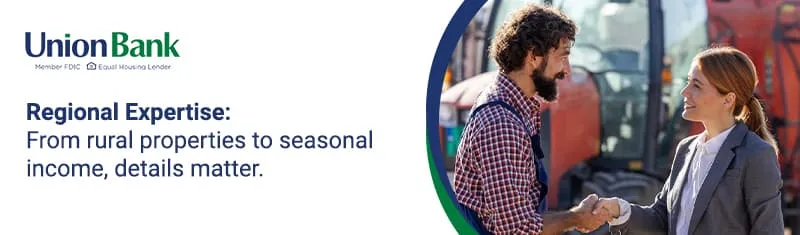
A truly local bank designs its products around the realities of its region. That might look like flexible terms for small business loans, special mortgage options for rural properties, or savings accounts that fit local income patterns.
You’ll notice these features in a truly local bank:
- Tailored lending programs. Local banks often offer small business or agricultural loans that national banks overlook and are a true sign of banks that support local businesse Many national banks will typically offer standardized loan options instead, with little flexibility.
- Specialized mortgage options. From mountain cabins to lakefront properties, a truly local bank understands local zoning, valuations, and seasonal changes that can impact property purchases.
- Community-based account structure. Checking and savings products often come with terms that reflect regional income patterns or local economic trends.
- Adaptable terms. Flexibility in deposits, payment schedules, and interest rates often shows that a local bank priorities people over profit.
If a bank’s offering sounds like it was designed with your town in mind, rather than in a big corporate office, that’s a good sign that you’re in the right place.
4. Lending and Mortgage Decisions are Made Locally

One of the clearest distinctions between local and national banks is who approves your loan. At a local bank, those decisions are made close to home, by people who know the market. That proximity means faster decisions, greater flexibility, and a willingness to look beyond your credit score.
Here’s how local decision-making makes a difference:
- In-region approvals. Local lenders evaluate requests with firsthand knowledge of the community’s housing and business environments.
- Support for small business. Entrepreneurs benefit from responsive approvals and flexible terms that reflect the real conditions of the region they’re working in.
- Access to local housing programs. Local mortgage lenders are experts in state and regional programs, such as first-time homebuyer support. The team at Union Bank will pass their years of knowledge about local mortgages onto you.
- Speed and empathy. Local lenders often personally know applicants, which helps streamline paperwork and adds an important human touch to what can often feel like a stressful process.
When your loan approval doesn’t have to pass through multiple national departments, you get answers faster, and from people who care about your financial success.
5. Visible Involvement in Community Investment Programs
A community-focused bank doesn’t only talk about supporting their region, but actively invests in it. From local scholarships to development funds and partnerships, these programs are tangible proof of commitment to building up the local area and supporting those who need it most.
Look for indicators of real investment:
- Local grants and lending programs. Community banks often create initiatives that help entrepreneurs, farmers, and local families to thrive.
- Educational support. Scholarships and financial literacy workshops show that the bank cares about the long term prosperity of its customers.
- Economic advocacy. Many banks advocate for or participate in community development projects that improve local infrastructure.
- Transparency in giving. Explore our community involvement information to see how Union Bank reinvests in the region through partnerships and donations.
True community banking goes beyond sponsorship banners. Instead, there’s a real, measurable impact on the lives of local people.
6. Customers Feel Like Neighbors, Not Account Numbers
The best measure of a local bank’s authenticity is how it treats its customers. When you walk into a branch or call customer service, do you feel recognized, valued, and supported? A small-town banking culture prioritizes relationships over transactions, and that’s something you can pick up on straight away.
Here’s what that culture can look like:
- Customer retention and loyalty. Local banks thrive on long term relationships built on trust and respect.
- Personalized outreach. Expect direct emails, calls, or community updates tailored to your interests.
- Easy to access service. Local teams handle your questions personally, rather than routing you through a call center halfway across the country.
- Regional storytelling. Whether through newsletters or social media, local banks highlight community members, businesses, and causes.
If your bank greets you by name and celebrates your financial milestones with you, you’re not simply a customer but a member of a valued community.
Choosing the Right Local Bank
Choosing where to bank is more than a financial decision. It’s a vote for the kind of community you want to live in. A truly local bank helps build stronger towns, supports small business growth, and ensures that your money works right where you live.
When looking for a bank that’s truly local, you want to:
- Verify leadership involvement locally. Check if executives participate in community boards or events.
- Visit branches and meet bankers. See how accessible and personal the service feels.
- Ask about local lending and investment programs. Determine how they reinvest in the community through loans and grants.
- Attend or research community events. Explore what initiatives they sponsor or lead in your region.
When you find a bank that checks all these boxes, you’ve found a true partner in community growth. Ready to make the switch? Find a local Union Bank today and learn more about our community-focused programs, or schedule a consultation with one of our team like our local mortgage lenders today.

