
He could not speak. He could not move. Yet he was able to communicate.
I don’t know if you’ve been in the loop, but AI opened the way to real “Telepathy”. And that is beyond exciting!
In a recent breakthrough, a patient with Amyotrophic Lateral Sclerosis used a brain implant from Neuralink to generate speech using only his thoughts. According to reporting from MobiHealthNews, the system allowed him to translate neural signals into text and voice, effectively restoring his ability to communicate despite advanced paralysis.
For decades, this kind of outcome belonged to science fiction. The idea that someone could “speak” without using their body was often described as telepathy. Today, it is becoming a clinical reality.
Let’s talk more about it and what that means for medicine, physicians, and patients.
Disclaimer: While these are general suggestions, it’s important to conduct thorough research and due diligence when selecting AI tools. We do not endorse or promote any specific AI tools mentioned here. This article is for educational and informational purposes only. It is not intended to provide legal, financial, or clinical advice. Always comply with HIPAA and institutional policies. For any decisions that impact patient care or finances, consult a qualified professional.
What Neuralink Is and Why It Matters
Neuralink is developing a brain-computer interface (BCI), a device implanted into the brain that can detect neural activity and convert it into digital output. Electrodes placed in specific regions of the brain capture electrical signals, which are then interpreted using machine learning models. Without AI, these signals would remain too complex and noisy to translate.
With it, they can be converted into meaningful actions such as moving a cursor, typing, or generating speech.
This is what makes Neuralink different from earlier assistive technologies. It does not rely on residual physical movement, such as eye tracking or muscle control. Instead, it reads intent directly from the brain. Early clinical updates and demonstrations have shown patients using Neuralink implants to control computers and perform digital tasks through thought alone, marking a significant step forward in brain-computer interface research.
1. Restoring Communication in Severe Neurological Disease
One of the most immediate and impactful applications of Neuralink is in restoring communication. Patients with conditions like Amyotrophic Lateral Sclerosis often retain full cognitive function while losing the ability to speak or move. Traditional assistive technologies, such as eye-tracking systems, can be slow and mentally exhausting, limiting both speed and depth of communication.
Neuralink changes that dynamic by allowing communication to occur directly from neural signals. In the reported ALS case, the patient was able to generate speech more fluidly, significantly reducing the friction involved in expressing thoughts. This aligns with broader research in brain-computer interfaces, where studies published in journals like Nature have demonstrated the ability to decode neural activity into words and sentences with increasing accuracy.
For physicians, this represents more than convenience. It has the potential to improve clinical interactions, allowing patients to describe symptoms more precisely, participate more actively in decision-making, and maintain a stronger sense of identity and connection. For the average person, it reframes what loss of speech may mean in the future. Communication may no longer be permanently tied to physical ability.
2. Restoring Function and Expanding Independence
Beyond communication, Neuralink is also focused on restoring functional independence. Patients with paralysis have already demonstrated the ability to control digital interfaces, including moving cursors and interacting with software, using only their thoughts. Neuralink has publicly shown early users playing simple computer games and navigating interfaces without any physical input, indicating that the system can translate intention into action in real time.
This capability builds on decades of neuroscience research but represents a meaningful leap in usability. Earlier brain-computer interfaces required bulky equipment and highly controlled environments. Neuralink’s implantable design allows for more continuous and practical use.
For patients, this opens the door to regaining aspects of independence that were previously lost. Being able to control a computer, communicate quickly, or interact with digital systems can significantly improve quality of life. For physicians, this introduces a new category of intervention, one that does not directly treat the underlying disease but instead bypasses its functional limitations.
In everyday terms, this signals a broader shift. Technology is no longer just something we use externally. It is beginning to integrate with human capability in a way that reduces the impact of physical constraints.
3. A New Interface Between Humans and Technology
The long-term implications of Neuralink extend beyond medicine. At its core, the technology represents a new interface between humans and machines. Instead of interacting through keyboards, screens, or voice commands, users may eventually interact with technology directly through neural activity.
This concept is already being explored in research settings. Brain-computer interface studies have shown that neural signals can be decoded not only for movement and speech but also for more complex intentions. While current clinical applications remain focused on severe neurological conditions, the underlying technology suggests a future where communication with machines becomes faster and more seamless.
For physicians, this raises important questions about how technology will shape patient care, cognition, and even human behavior. The boundary between therapeutic use and enhancement may become less distinct over time. For the average person, it suggests a future where interacting with devices may feel less like using a tool and more like extending one’s own capabilities.
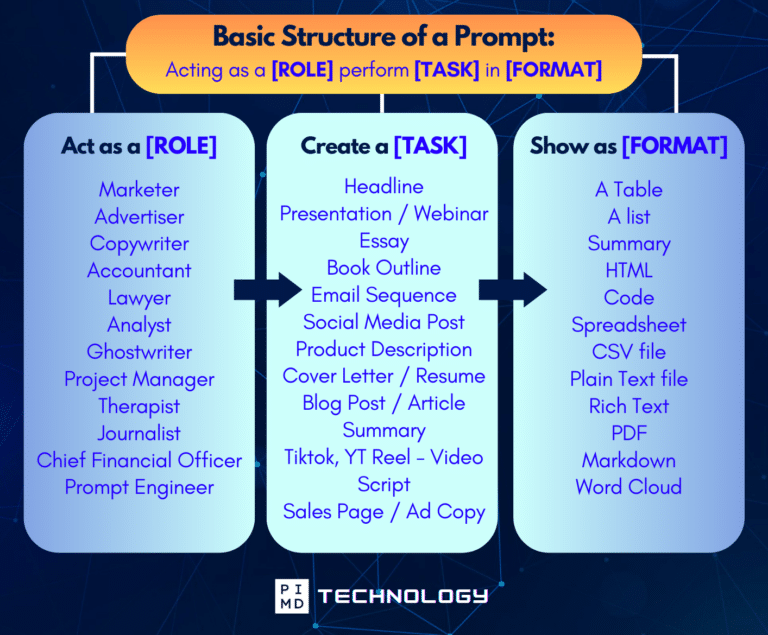
Unlock the Full Power of ChatGPT With This Copy-and-Paste Prompt Formula!
Download the Complete ChatGPT Cheat Sheet! Your go-to guide to writing better, faster prompts in seconds. Whether you’re crafting emails, social posts, or presentations, just follow the formula to get results instantly.
Save time. Get clarity. Create smarter.
Final Thoughts
Neuralink is still in its early stages, and there are legitimate concerns around safety, ethics, and long-term outcomes. Regulatory oversight, clinical validation, and real-world data will ultimately determine how widely this technology can be adopted.
However, the direction is as clear as day.
We are entering a phase where communication can be restored without speech, where interaction with technology does not require physical movement, and where some of the most limiting aspects of neurological disease may be partially bypassed rather than simply managed.
This would have been unthinkable many years ago.
For physicians, this is not about replacing clinical care. It is about expanding what is possible for patients who were previously limited by the tools available to them. And for patients, it represents something more… the ability to reconnect with the world, express themselves, and regain a sense of control.
The most important takeaway is not the technology itself. It is the shift it represents. Medicine is moving from adaptation to capability. AI is advancing so fast, and it’s the center of all of it.
For the first time, that shift is becoming visible in real patients, in real time. We’re witnessing it all happen.
But what do you think? Let us know what you think in the comments below!
Download The Physician’s Starter Guide to AI – a free, easy-to-digest resource that walks you through smart ways to integrate tools like ChatGPT into your professional and personal life. Whether you’re AI-curious or already experimenting, this guide will save you time, stress, and maybe even a little sanity.
Want more tips to sharpen your AI skills? Subscribe to our newsletter for exclusive insights and practical advice. You’ll also get access to our free AI resource page, packed with AI tools and tutorials to help you have more in life outside of medicine. Let’s make life easier, one prompt at a time. Make it happen!
Disclaimer: The information provided here is based on available public data and may not be entirely accurate or up-to-date. It’s recommended to contact the respective companies/individuals for detailed information on features, pricing, and availability. All screenshots are used under the principles of fair use for editorial, educational, or commentary purposes. All trademarks and copyrights belong to their respective owners.
If you want more content like this, make sure you subscribe to our newsletter to get updates on the latest trends for AI, tech, and so much more.
Further Reading

