
For our package, “Welcome to the Singularity,” Fortune pulled together perspectives from six AI executives, researchers, futurists, and philosophers on some of the biggest questions facing humanity in the age of AI. Read their perspectives below:
Can we align AI with human values, make it morally “good”?
Dario Amodei
Cofounder and CEO of Anthropic, in a blog post
“[Anthropic’s constitution] encourages Claude to think of itself as a particular type of person (an ethical but balanced and thoughtful person), and even encourages Claude to confront the existential questions associated with its own existence in a curious but graceful manner (i.e., without it leading to extreme actions). It has the vibe of a letter from a deceased parent sealed until adulthood.”
Sam Altman
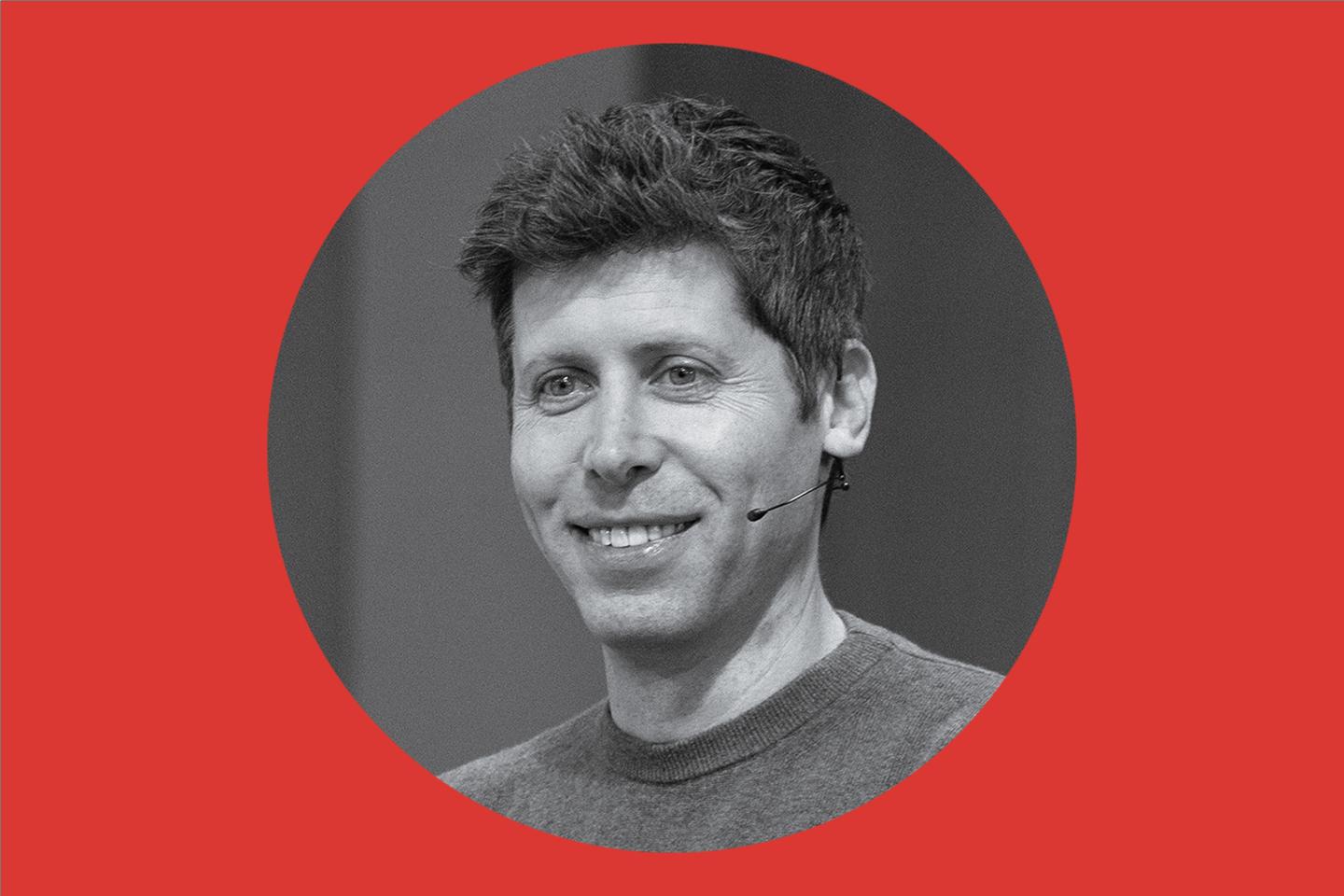
CEO of OpenAI, in a Titans podcast interview with Alyson Shontell
“I get nervous when I hear rumors that people think they have sufficiently solved alignment, that they can continue training and it’s okay because their model is a nice guy and isn’t going to do anything wrong … The question of what alignment means always comes back a little bit to: aligned to whose values? What if different parts of humanity disagree?”
Can we merge our brains with AI? Should we?
Ray Kurzweil
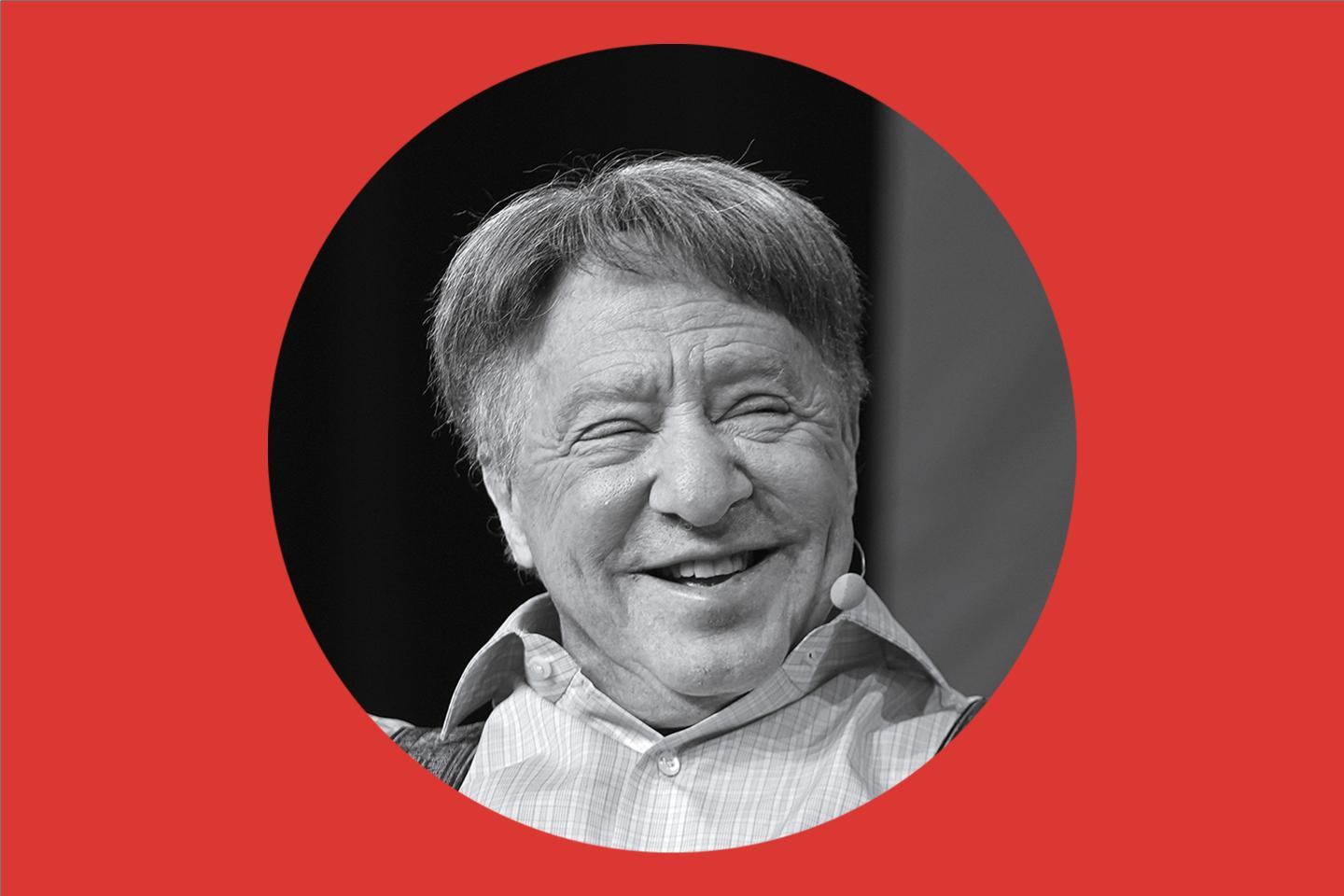
Futurist and researcher, advisor to the BCI company Subsense
“I think the whole point of humans is to go to greater frontiers … If you actually think of language and purpose, and put it inside a machine, that’s already been done … And we did that. It did not come from Mars. We created that. That’s a way of us expanding who we are. And it will expand exponentially, so we’ll be able to consider things that would have been impossible for humans to consider even a year ago. It’s who we are. We expand how we think. That’s the definition of humans.”
Susan Schneider
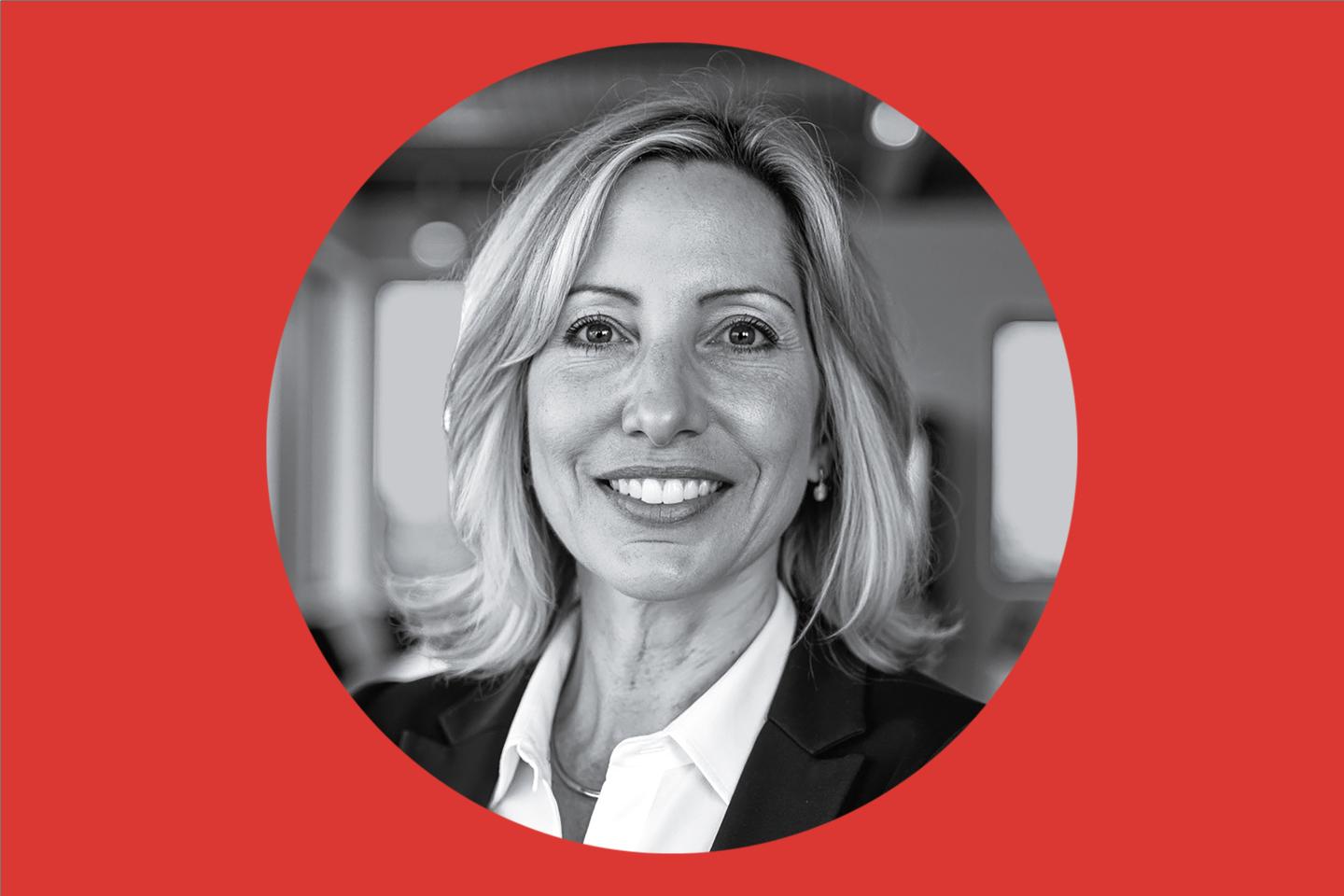
Philosopher and director of the Center for the Future of AI, Mind & Society, from an article in Nautilus
“Even if microchips could replace parts of the brain responsible for consciousness without zombifying you, radical enhancement is still a major risk. After too many changes, the person who remains may not even be you. Each human who enhances may, unbeknownst to them, end their life in the process.”
Will AI ever attain consciousness?
Henry Shevlin
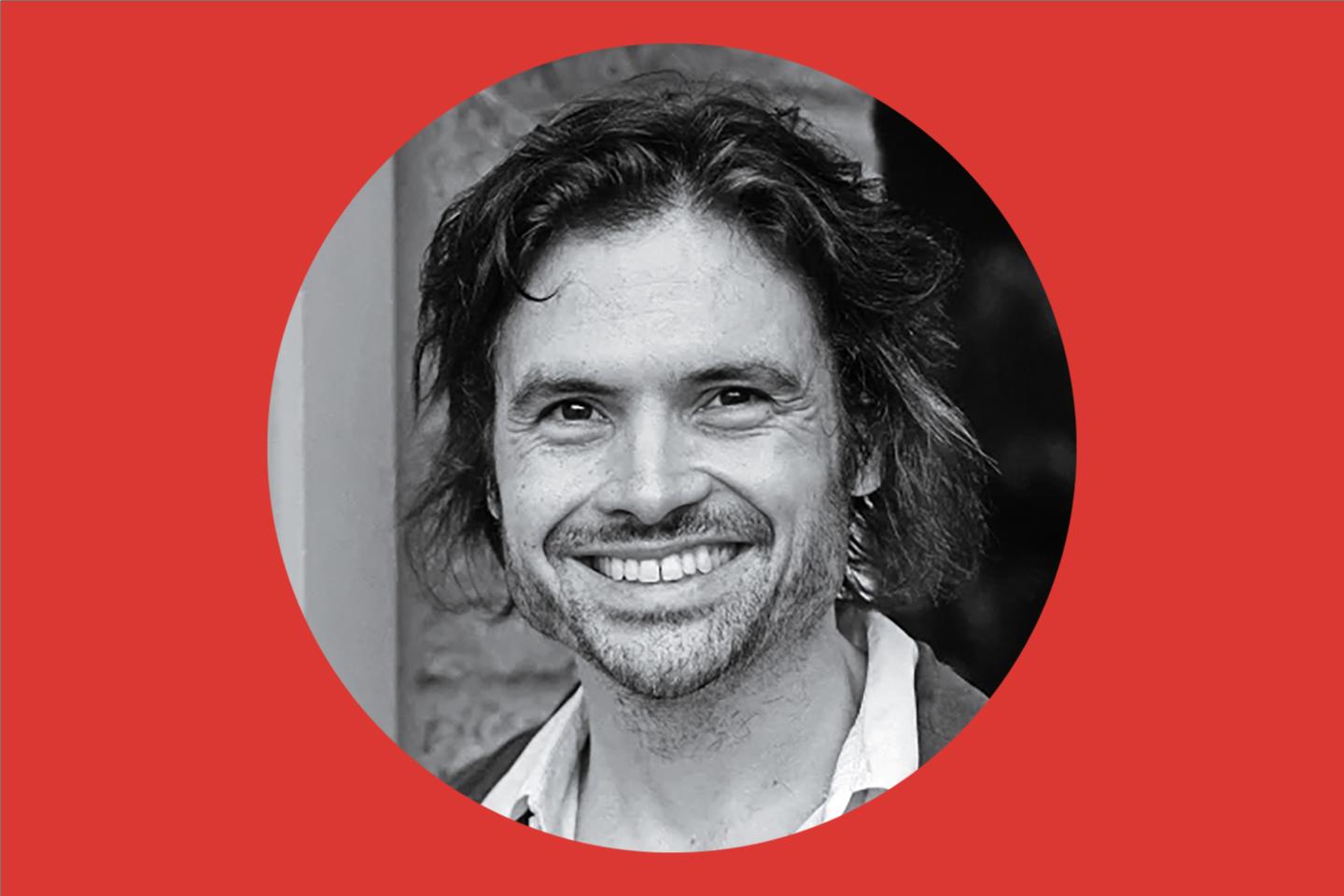
In-house philosopher at Google DeepMind, Cambridge University professor
“I think the evidence for forms of sophisticated cognition and potentially consciousness in AI systems is just increasing quite rapidly, and I think we will probably hit a tipping point in the field of cognitive science and philosophy of mind, where I would expect a significant proportion, if not the majority, of researchers to think that AI systems relatively soon are going to be serious consciousness candidates.”
Mustafa Suleyman
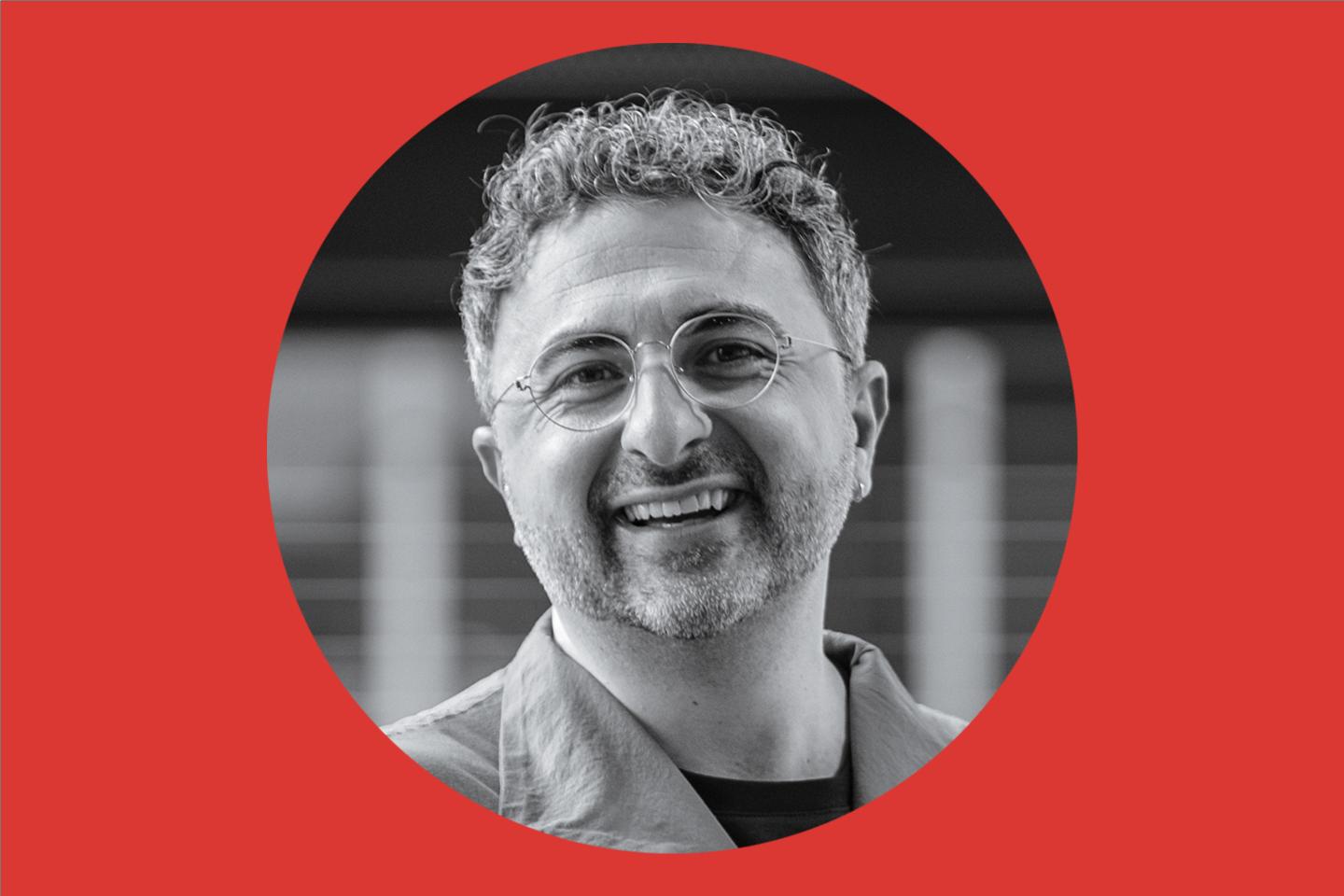
CEO of Microsoft AI, on his blog
“AIs are not conscious. They do not feel, experience, or suffer. They do not have innate preferences or underlying motivations … If humanity is to flourish in the 21st century, that is how they must remain. Unfortunately, there’s a growing chorus of people who argue that AIs could now be, or may soon become, conscious … If this view takes hold, it will shake the foundations of our society, rupturing our existing political and ethical frameworks, and fundamentally changing what it means to be human.”

