
I learned early on that baking doesn’t need to be fancy to be good.
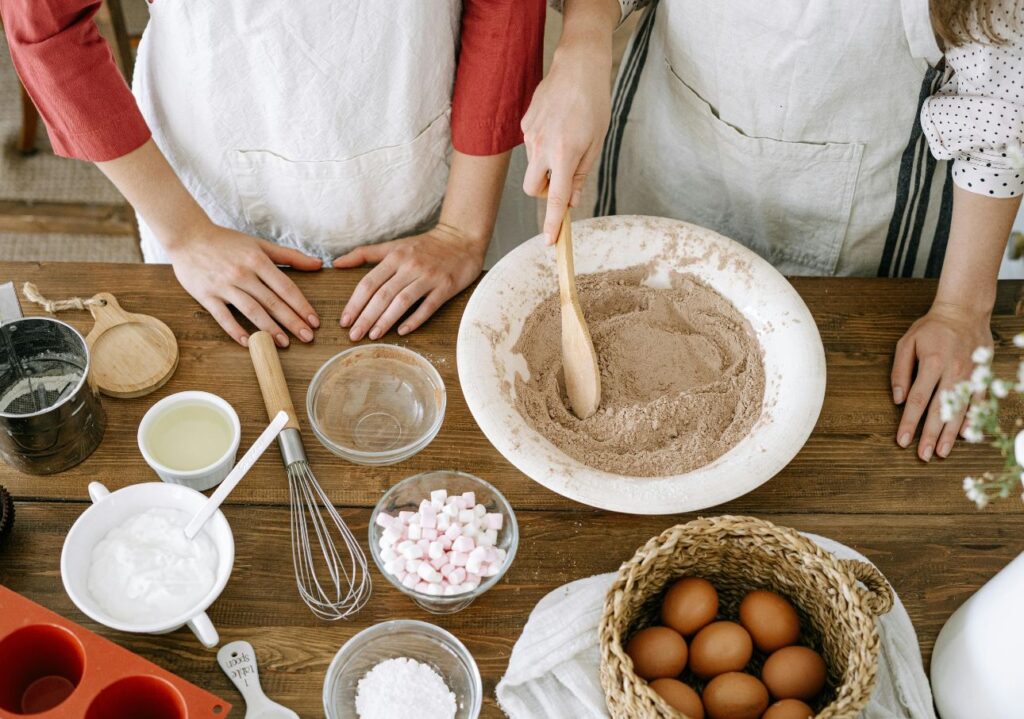
If something smells right and fills the house with warmth, it’s usually worth eating. I never worried about perfect shapes or smooth tops. Those things don’t change the taste, and nobody remembers them once the plate is empty.
A small notebook in the kitchen makes a difference. Not for complicated recipes, but for little notes… how a cake turned out with less sugar, or how much flour it took when the dough felt too soft. Those quiet lessons prevent mistakes and save ingredients later.
When the oven is on, I make sure every bit of heat counts. I slide apples onto the lower rack to soften for tomorrow, or toast stale bread while something else bakes. Heat costs money, and I don’t let it go to waste.
I don’t bake to impress you. I bake so there’s something ready when you get hungry. A simple cake on the counter keeps hands away from expensive store treats and disappears faster than anything fancy.
Over time, I stopped being afraid of substitutions. If you’re short on milk, thinning yogurt with water works just fine. When butter runs low, oil steps in without fuss. Baking is kinder than it looks, and it rewards confidence more than strict rules.
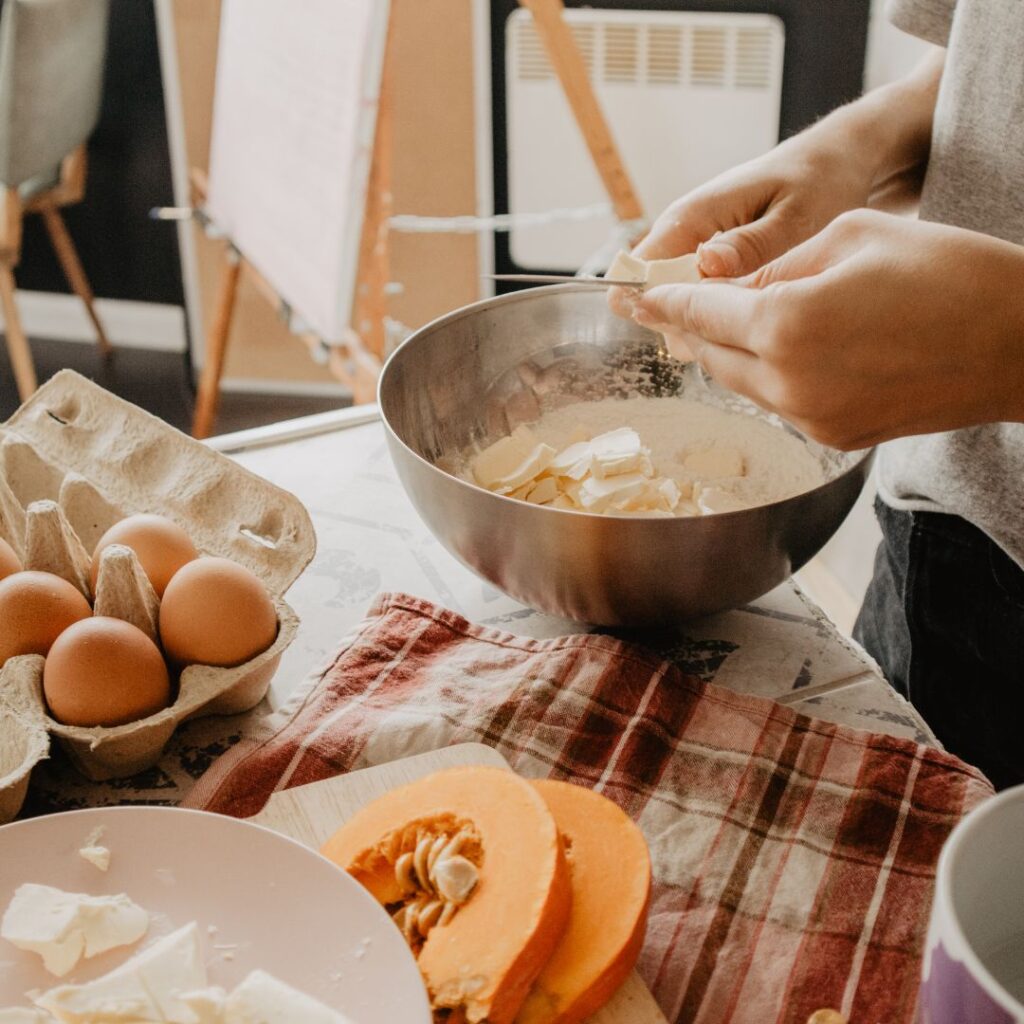
I taste as I go, but carefully. A small bite of batter tells me more than any written recipe. That way, I don’t overdo sweetness or waste ingredients trying to fix things later.
I don’t throw food away just because it’s imperfect. A cracked loaf still feeds people. A dry cake can be toasted or softened with a little milk. Waste is what truly ruins a recipe, not flaws.
Above all, I bake with intention. I bake because it will be eaten, shared, and enjoyed. That’s how baking stays frugal, and that’s how it has always made sense to me.
You’ll love: $50 Grocery List For 2 And Weekly Meal Plan
Why Frugal Baking Still Makes Sense
Baking at home has always been one of the best ways to save money on food.
Long before specialty flours and fancy mixers, people baked with what they had and made it work.
Frugal baking isn’t about cutting corners, it’s about habits that save money while still producing good, comforting food.
Start With Basic Pantry Staples
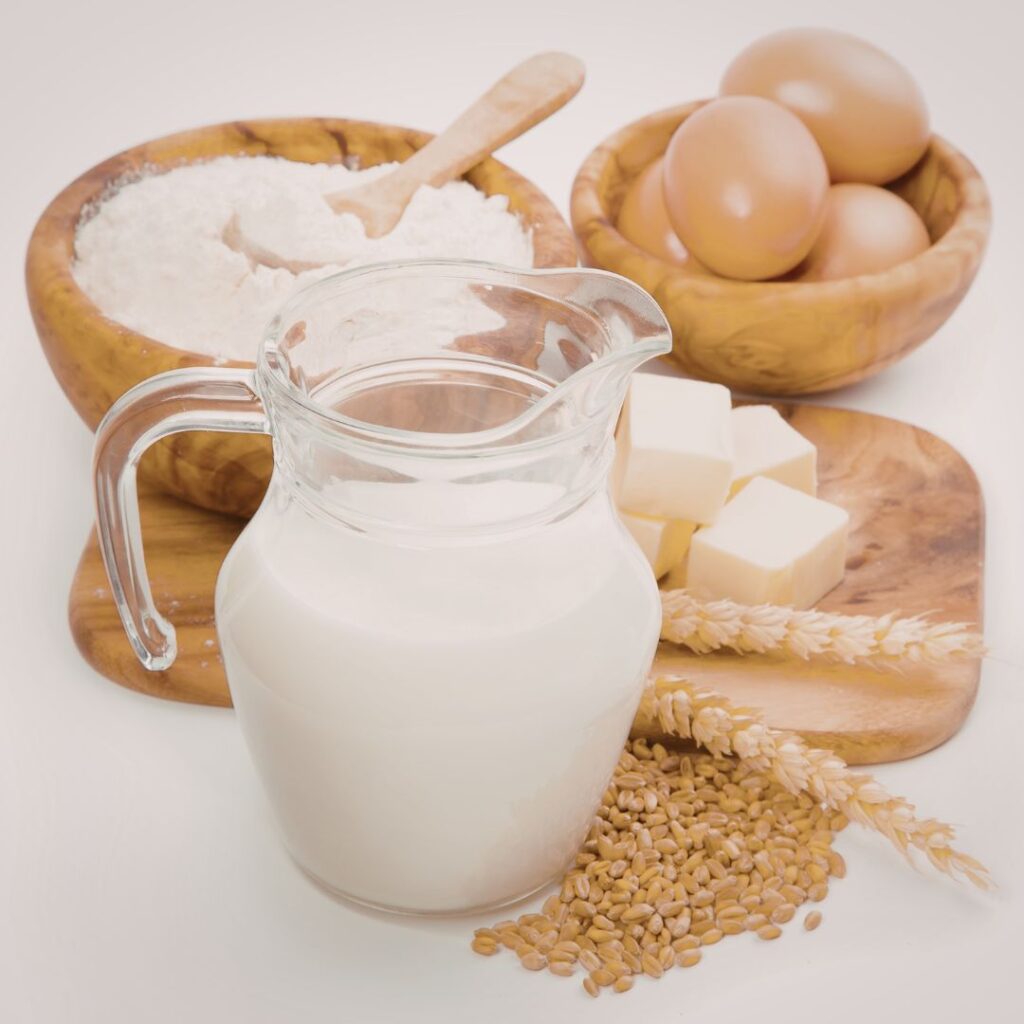
The cheapest baked goods usually come from the simplest ingredients.
Flour, sugar, eggs, oil, butter, baking powder, and baking soda can be used in dozens of recipes.
When you build your baking around these staples, you avoid spending money on one-use items that end up forgotten in the back of the cupboard.
Buying flour, sugar, and oats in larger bags is often cheaper per kilo, especially if you bake regularly.
Stored properly, these basics last a long time and give you more flexibility when you want to bake.
Make Simple Ingredient Swaps
Some ingredients sound essential but can be easily replaced. Buttermilk can be made at home by adding a little vinegar or lemon juice to regular milk.
Oil can often replace butter in cakes and muffins, cutting costs without changing texture too much. Applesauce or mashed bananas can replace part of the fat in many recipes and work especially well in quick breads.
Skipping expensive flavorings can also save money. Vanilla extract is nice, but many baked goods taste just as good without it, especially when cinnamon, cocoa, or fruit is already doing the heavy lifting.
Bake From Scratch Whenever Possible
Homemade baking is almost always cheaper than boxed mixes or bakery items.
Pancakes, muffins, banana bread, and brownies are especially affordable when made from scratch. Once you learn a few basic recipes, you can adjust flavors and add-ins based on what you already have at home.
Baking from scratch also reduces waste because you’re using ingredients you would buy anyway, rather than purchasing a mix that only serves one purpose.
Use Ingredients Before They Go to Waste
Frugal baking often starts with saving food that might otherwise be thrown away. Overripe bananas are perfect for banana bread or muffins.
Stale bread can be turned into bread pudding or baked French toast. Leftover oats can be mixed into cookies or breakfast bars.
Using ingredients at their “last chance” stage is one of the easiest ways to bake cheaply without planning ahead.
Bake in Batches and Freeze Extras
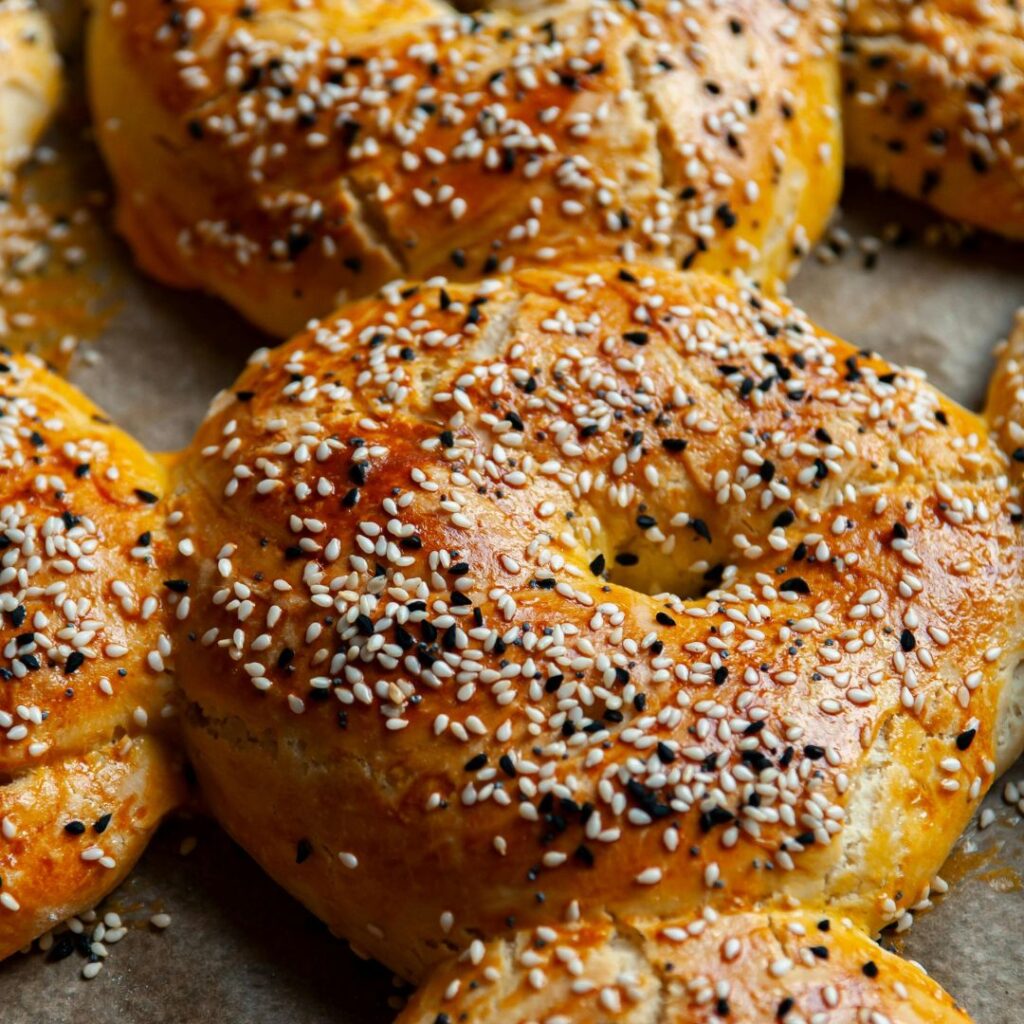
Ovens use the same amount of energy whether you bake one loaf or three.
Baking in batches saves electricity and time. Muffins, cookies, and sliced quick breads freeze very well and make easy snacks later.
Having homemade baked goods in the freezer also reduces the temptation to buy expensive store-bought snacks.
Skip Fancy Tools and Equipment
You don’t need special pans, silicone molds, or gadgets to bake well.
Most recipes can be made with a bowl, a spoon, and one or two basic pans. Simple tools not only save money but also make baking less stressful and easier to clean up.
Keep Flavors Simple and Affordable
Classic flavors are usually the cheapest. Cinnamon, cocoa powder, citrus zest, and raisins add a lot of taste without adding much cost.
Trendy ingredients often cost more and get used once, which is rarely a good deal.
Simple baked goods tend to be the most forgiving and the most popular, especially for everyday eating.
Buy Baking Ingredients When Prices Drop
Butter, chocolate, and nuts can be expensive, but they often go on sale. When they do, buying extra and freezing them can save money over time.
Baking supplies are also heavily discounted after major holidays, making it a good time to restock.
Bake With a Purpose
Frugal baking works best when it replaces something you would otherwise buy. Baking snacks for school lunches, simple desserts for the week, or bread to go with meals keeps costs low and reduces food spending elsewhere.
When baking is part of your everyday routine instead of a special event, the savings add up quickly.
Last But Not Least
Couponing and shopping apps can quietly lower baking costs when used with intention.
Instead of chasing every deal, it makes sense to focus on staples that are bought anyway, like flour, sugar, butter, eggs, and oil.
Digital coupons and cashback apps work best when paired with sales, especially for higher-priced items like butter and chocolate.
Even small savings add up over time, and checking an app before a regular grocery trip often turns planned purchases into cheaper ones without extra effort.
Used this way, couponing supports frugal baking without leading to overspending or buying things that weren’t needed in the first place.

Hi, I’m Ashley a freelance writer who’s passionate about personal finance. Ever since I was young, I’ve been fascinated by the power of money and how it can shape our lives. I’ve spent years learning everything I can about budgeting, saving, investing and retirement planning. So if you are looking for tips, advice, or just a little bit of inspiration to help you on your financial journey, you have come to the right place. I am always here to help, and I am excited to share my passion for personal finance with you.

