
Did you watch the Super Bowl?
Maybe you were half paying attention… refilling snacks, checking your phone… when that super minimal commercial popped up. No flashy demo. No explanation. Just one thing: AI.com. That’s it.
A premium domain reportedly tied to Kris Marszalek, CEO of Crypto.com. Multimillion-dollar rumors. A Super Bowl ad. And no clear product.
If you found yourself thinking, Wait… what was that? Well, me too. And then it got me thinking…
Not about the marketing (or Bad Bunny). But about what AI really means for physicians.
Think back to medicine before EMRs. Before telehealth. Before everything went digital. Those transitions felt uncomfortable at first, didn’t they? Uncertain. Disruptive.
Now here we are again.
AI really isn’t some distant experiment anymore. It’s center stage. Mainstream. And it’s stepping into healthcare whether we’re ready or not.
So what does that actually mean for physicians? Let’s talk about it.
Disclaimer: While these are general suggestions, it’s important to conduct thorough research and due diligence when selecting AI tools. We do not endorse or promote any specific AI tools mentioned here. This article is for educational and informational purposes only. It is not intended to provide legal, financial, or clinical advice. Always comply with HIPAA and institutional policies. For any decisions that impact patient care or finances, consult a qualified professional.
What Is AI.com?
AI.com is being positioned around the concept of personal AI agents, systems that don’t just answer questions, but act on your behalf.
Most AI tools today operate like enhanced search engines: You ask a question. It provides information. You decide what to do
AI agents aim to take the next step:
- Execute tasks
- Interact with apps
- Manage workflows
- Coordinate actions across platforms
The shift is subtle but important, from smarter answers to delegated execution. If you’re curious what that looks like in real life, this is basically the direction following AI agent mode and the broader move toward automation.
Where the Hype Came From (And What to Be Careful of)
The buzz around AI.com wasn’t accidental. It was driven by three factors:
- Symbolism: AI.com is arguably the most powerful domain name in tech right now. Owning it signals ambition and long-term intent.
- Cultural validation: A Super Bowl commercial (did you see Bad Bunny perform?) tells the world that AI is no longer experimental; it’s infrastructure.
- The industry shift to agents: Across the AI landscape, major players are moving from chatbots to autonomous agents capable of completing tasks. AI.com entered the conversation at the exact moment that narrative was accelerating.
But here’s where it gets interesting.
If you actually go to AI.com and sign up, you’re not just joining a waitlist for a chatbot. You’re prompted to create an account, agree to terms, and in some cases provide payment information. The positioning is something like giving your AI agent permission to act on your behalf across platforms, potentially interacting with tools, executing tasks, and making decisions within defined boundaries.
That sounds powerful. It also raises real questions.
- Who is responsible if your agent takes an action that violates the terms of service somewhere else?
- What happens if it misinterprets instructions?
- How much authority are you granting it?
One tech journalist who signed up after the Super Bowl noted that the terms suggested the user could be responsible if their AI agent committed wrongdoing. That should give anyone pause, especially physicians who are already navigating regulatory risk every day.
This is where due diligence matters.
Before handing over credit card details or granting automation access to your systems, read the terms. Understand the liability structure. Clarify what data is being accessed and how it’s being stored. If you’re using AI in anything related to your practice or business, you need to think through compliance, privacy, and downstream consequences. That’s exactly why we’ve emphasized the importance of understanding the ethical risks of AI in medicine and knowing how to use AI and not get sued.
The hype is less about the website and more about the timing. AI is moving from novelty to necessity. But necessity does not eliminate the need for caution.
What This Means for You
Right now, AI mostly helps you write, summarize, and organize. Helpful, but it still feels like a tool you “use.” If you want a simple starting point, try tightening your workflows with better productivity habits using ChatGPT.
The bigger shift is what happens when AI becomes more autonomous.
Not just answering questions, but completing workflows. Not just helping you think, but helping you execute.
In medicine, that could look like an AI agent that preps your day before you arrive. It reviews charts, flags abnormal trends, drafts notes, queues orders for your review, and routes messages so you only see what truly needs your attention. You stay the decision-maker, but the system runs smoother around you. This is also why it matters to understand the basics of building an AI-enabled team and workflow, because the tools only help if the system around them makes sense.
In business, it could manage the operating system. Following up with leads, updating dashboards, creating first drafts of SOPs, monitoring KPIs, and nudging you when something is off. Less “busywork CEO,” more “vision and decisions.”
In investing, it could become your analyst. Tracking deals, summarizing updates, comparing opportunities, and alerting you when assumptions change. Not making the call for you, but keeping you ahead without spending your nights digging through PDFs.
And at home, it could quietly remove decision fatigue. Coordinating schedules, planning travel, comparing big purchases, tracking budgets, and handling the thousand little logistics that drain you.
For years, the advantage was access to information. Soon, the advantage will be execution.
I know it sounds like some sci-fi plot, but it really is happening, at least that’s what the signs show.
One quick note: as adoption ramps up, the winners won’t be the physicians who jump on every shiny tool. It’ll be the ones who can spot bad AI tools early and use AI with good judgment.
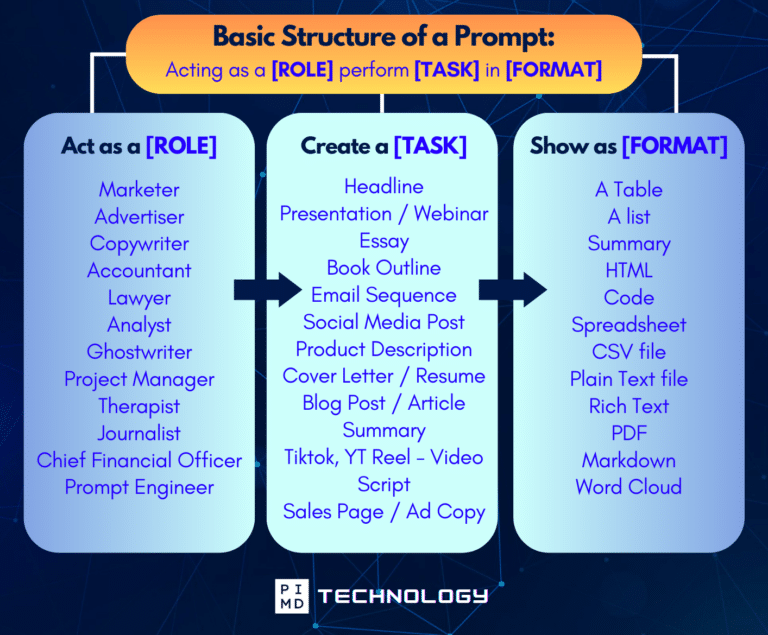
Unlock the Full Power of ChatGPT With This Copy-and-Paste Prompt Formula!
Download the Complete ChatGPT Cheat Sheet! Your go-to guide to writing better, faster prompts in seconds. Whether you’re crafting emails, social posts, or presentations, just follow the formula to get results instantly.
Save time. Get clarity. Create smarter.
Why Physicians Should Try AI Browsers
AI.com may or may not become a dominant platform. That’s not really the point.
The signal is what matters.
AI is evolving at a crazy rate. From a simple assistant to something more capable. And for physicians balancing a million things at once, that evolution speaks a lot.
It’s about leverage.
You already know how to learn hard things. You went through years of training. You adapted to EMRs. You navigated telehealth. You manage risk every single day.
This is no different.
The physicians who choose to integrate AI thoughtfully (not fearfully, not blindly) will protect their time, increase clarity, and expand their capacity. That starts with building the right AI skills physicians need for the future and understanding the boundaries, especially around privacy and compliance. If you’re experimenting with new platforms, make sure you also know what doctors should never do in ChatGPT.
Not because AI is magical. But because smart delegation has always created freedom.
And this is just another tool you can learn to use well. You’ve done it before. You can absolutely do it again. As always, we’re rooting for you here at PIMD!
Download The Physician’s Starter Guide to AI – a free, easy-to-digest resource that walks you through smart ways to integrate tools like ChatGPT into your professional and personal life. Whether you’re AI-curious or already experimenting, this guide will save you time, stress, and maybe even a little sanity.
Want more tips to sharpen your AI skills? Subscribe to our newsletter for exclusive insights and practical advice. You’ll also get access to our free AI resource page, packed with AI tools and tutorials to help you have more in life outside of medicine. Let’s make life easier, one prompt at a time. Make it happen!
Disclaimer: The information provided here is based on available public data and may not be entirely accurate or up-to-date. It’s recommended to contact the respective companies/individuals for detailed information on features, pricing, and availability. All screenshots are used under the principles of fair use for editorial, educational, or commentary purposes. All trademarks and copyrights belong to their respective owners.
Images used in this article are for editorial and informational purposes only and are sourced from publicly available product pages and promotional materials provided by their respective companies. Microsoft Edge with Copilot images courtesy of Microsoft. Arc Browser images courtesy of The Browser Company. Brave Browser and Leo AI images courtesy of Brave Software, Inc. All product names, logos, and interface designs are trademarks or registered trademarks of their respective owners. No affiliation or endorsement is implied.
If you want more content like this, make sure you subscribe to our newsletter to get updates on the latest trends for AI, tech, and so much more.
Further Reading

