
Have you noticed how many “AI in medicine” articles you’ve scrolled past lately?
Most of them feel like they were written for someone who doesn’t actually see patients. So here’s something more useful: three things about AI that actually matter for physicians right now.
Disclaimer: While these are general suggestions, it’s important to conduct thorough research and due diligence when selecting AI tools. We do not endorse or promote any specific AI tools mentioned here. This article is for educational and informational purposes only. It is not intended to provide legal, financial, or clinical advice. Always comply with HIPAA and institutional policies. For any decisions that impact patient care or finances, consult a qualified professional.
1. AI Scribes Are Giving Physicians Real Time Back.
The feedback from physicians who’ve started using ambient documentation tools, like Nabla, Microsoft DAX, and Nuance, isn’t “this is interesting.” It’s “I got time back.”
That’s not just anecdotal. A randomized clinical trial out of UCLA Health, published in NEJM AI in November 2025, enrolled 238 physicians across 14 specialties and tracked more than 72,000 patient encounters. Nabla users cut their time-in-note by 9.5% compared to the control group. Both AI scribe tools showed modest improvements in burnout and work-related stress.
Modest gains on their own. Across a full week, though? That adds up.
The same study flagged occasional clinically significant errors, so physician review is still non-negotiable. The tools aren’t flawless. If you haven’t tried one yet, a free trial is worth it.
2. Diagnostic AI Is Already in the Building.
Radiology and pathology are ahead of most specialties on this. A 2025 Pew Charitable Trusts report, drawing on 2022 survey data, found that 54% of U.S. hospitals with more than 100 beds were already using AI-enabled medical imaging tools for clinical purposes. That number has almost certainly grown since.
These tools read scans, flag anomalies, and catch things that get missed late on a Friday. Some hospital systems run them quietly in the background.
Patients are going to know. They’ll ask: “Did AI review my results?” That question is coming, and it’s worth having a real answer ready.
A lot of this is good for patients. It also shifts what the conversation in the exam room looks like. Knowing what your system is actually running isn’t optional anymore.
3. AI Is Affecting How Physicians Get Paid. Right Now.
Insurers already use algorithmic tools to process prior auths and review claims. A March 2023 ProPublica investigation found that Cigna’s automated PxDx system allowed physicians to deny more than 300,000 claims in a two-month period in 2022, with an average of 1.2 seconds spent per case, without reviewing individual patient files.
It’s not just Cigna. According to the AMA, a 2024 Senate Finance Subcommittee investigation found that AI tools produced prior authorization denial rates as much as 16 times higher than insurers’ own baseline rates in some cases, specifically citing Humana’s post-acute care denials for Medicare Advantage patients in 2022.
For anyone running a practice, understanding that AI can touch the revenue cycle matters. Several physician organizations are pushing for more transparency on how insurers use these tools. Worth following if this affects your practice.
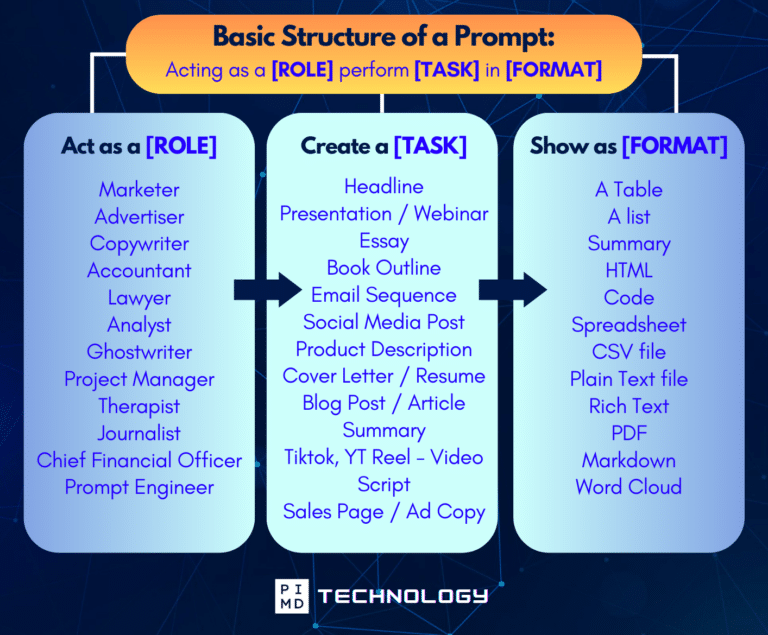
Unlock the Full Power of ChatGPT With This Copy-and-Paste Prompt Formula!
Download the Complete ChatGPT Cheat Sheet! Your go-to guide to writing better, faster prompts in seconds. Whether you’re crafting emails, social posts, or presentations, just follow the formula to get results instantly.
Save time. Get clarity. Create smarter.
Final Thoughts
AI isn’t going to fix medicine or ruin it.
But it’s already here, and the physicians who understand it will be better positioned to push back when it’s wrong and take advantage when it’s right.
What are you seeing in your own practice? Anything that surprised you? Hit reply in the comments, genuinely love to hear it.
Download The Physician’s Starter Guide to AI – a free, easy-to-digest resource that walks you through smart ways to integrate tools like ChatGPT into your professional and personal life. Whether you’re AI-curious or already experimenting, this guide will save you time, stress, and maybe even a little sanity.
Want more tips to sharpen your AI skills? Subscribe to our newsletter for exclusive insights and practical advice. You’ll also get access to our free AI resource page, packed with AI tools and tutorials to help you have more in life outside of medicine. Let’s make life easier, one prompt at a time. Make it happen!
Disclaimer: The information provided here is based on available public data and may not be entirely accurate or up-to-date. It’s recommended to contact the respective companies/individuals for detailed information on features, pricing, and availability. All screenshots are used under the principles of fair use for editorial, educational, or commentary purposes. All trademarks and copyrights belong to their respective owners.
If you want more content like this, make sure you subscribe to our newsletter to get updates on the latest trends for AI, tech, and so much more.
Further Reading

