
Last updated: November 13, 2026. Based on an AMA report published November 10, 2026.
AI can help physicians, but it cannot be one, according to new AMA policy.
The short answer: The AMA House of Delegates adopted policy at its 2026 Interim Meeting saying AI cannot hold physician licensure, professional titles, or certification. The AMA will also advocate for laws that protect physicians who decline an AI tool or its recommendation, and that place liability for defective clinical AI on vendors when a physician used the tool as intended. These are policy positions and advocacy goals, not laws.
Everything below comes from the AMA’s own report on the policy, published November 10, 2026.
Disclaimer: While these are general suggestions, it’s important to conduct thorough research and due diligence when selecting AI tools. We do not endorse or promote any specific AI tools mentioned here. This article is for educational and informational purposes only. It is not intended to provide legal, financial, or clinical advice. Always comply with HIPAA and institutional policies. For any decisions that impact patient care or finances, consult a qualified professional.
What does the policy say about AI and licensure?
The AMA separates AI as a support tool from the practice of medicine. AI can help with clinical tasks, the policy says, but it cannot be granted physician licensure, professional titles, or certification to practice medicine.
The policy calls for AI-enabled technologies to be built into physician-led teams and used at the direction of the treating physician. AI tools used for diagnosis, prescribing, and care management should come with transparent, auditable evidence of safety and efficacy, and should be subject to appropriate regulation, documentation, and liability requirements.
The AMA will also push for model legislation that separates authorizing a medical technology from licensing a professional, and that prohibits presenting nonhuman entities under titles reserved for physicians. AMA President Willie Underwood III, MD, said “patients deserve to know who is responsible for their care.” Separately, the AMA will advocate for safeguards that stop AI developers from using patients’ clinical data for proprietary or research purposes without explicit authorization.
What does it say about physician liability?
The AMA says established product-liability law already holds that when a medical device fails because of a design, manufacturing, or warning defect, the manufacturer is liable for the resulting harm, not the physician. It argues that physicians who use AI tools as intended, within a tool’s marketed and cleared indication, and who exercise appropriate clinical judgment should be treated the same way. The AMA notes the FDA had authorized more than 1,450 AI-enabled medical devices as of December 2025.
Delegates directed the AMA to advocate on four fronts. The first is declining AI. The AMA will push for legislation creating a framework for physician oversight of AI clinical decision-making, including protection against liability for choosing not to use an AI tool or follow its recommendation.
The second is vendor responsibility. The AMA wants laws placing liability on the vendor, manufacturer, or distributor when a clinical AI product produces an erroneous output and the physician used it as intended with appropriate judgment. It also wants vendors held to the same product-liability standards as other device makers, required to carry adequate liability insurance, and required to disclose known failure rates, limitations, and performance across patient populations.
The third is contracts. The AMA wants legislation prohibiting end-user license agreements and vendor contracts that try to shift liability for AI failures from the manufacturer to the physician or health system.
The fourth is mandates. If a health system, hospital, payer, or other entity requires a specific AI tool and an error from that tool harms a patient, the AMA says the mandating entity and the vendor should bear liability. A physician who was required to use the tool and exercised appropriate judgment should not.
In October, the AMA also released a framework for aligning liability with each party’s authority and ability to prevent or mitigate harm.
Does the policy change the law?
No. Adopting policy and passing legislation are separate steps. The AMA’s report describes what the association will ask lawmakers to do at the federal and state levels. It does not describe a change to existing liability law, so the positions above are goals, not current rules.
Specialty mattered too. Oncology and hematology (2.00), internal medicine (1.88), and family medicine (1.80) ran above their workforce share. Ophthalmology (0.23), radiology (0.24), and orthopedics (0.24) ran far below, at roughly a quarter of their share. The study describes these patterns but does not test why they exist.
What else did delegates adopt on AI?
A separate policy covers AI in hospital administrative work. Delegates adopted language encouraging organizations to require physician-led oversight when AI is used in credentialing, privileging, peer review, and quality review.
The AMA will advocate for that oversight and for transparency about a tool’s role in decisions. It will also encourage hospitals and health systems to disclose the data sources, validation, limitations, governance, and intended use of any AI tool used in medical staff processes. Existing AMA policy, the report adds, says physicians should be able to access, understand, and when appropriate challenge the data and methods behind AI used in these workflows.
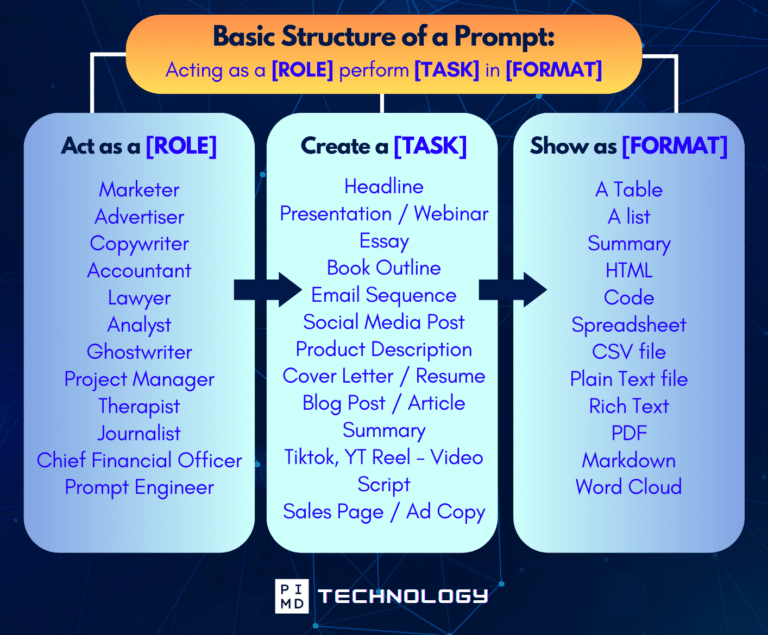
Unlock the Full Power of ChatGPT With This Copy-and-Paste Prompt Formula!
Download the Complete ChatGPT Cheat Sheet! Your go-to guide to writing better, faster prompts in seconds. Whether you’re crafting emails, social posts, or presentations, just follow the formula to get results instantly.
Save time. Get clarity. Create smarter.
What should physicians watch for next?
Two points are worth tracking. The AMA’s goal is legislation, so the next step is whether federal or state bills take up these positions.
And the policy names vendor contracts and end-user license agreements as places where liability can shift, which makes the contract language in any AI tool agreement relevant. A health system’s counsel or a physician’s own attorney is the right source on how any of this applies to a specific situation.
What do you think? Do you agree with the policy? Let us know in the comments!
This article summarizes a published AMA report and does not constitute legal advice. Readers should consult their own legal counsel about how any policy or legislation applies to them.
Download The Physician’s Starter Guide to AI – a free, easy-to-digest resource that walks you through smart ways to integrate tools like ChatGPT into your professional and personal life. Whether you’re AI-curious or already experimenting, this guide will save you time, stress, and maybe even a little sanity.
Want more tips to sharpen your AI skills? Subscribe to our newsletter for exclusive insights and practical advice. You’ll also get access to our free AI resource page, packed with AI tools and tutorials to help you have more in life outside of medicine. Let’s make life easier, one prompt at a time. Make it happen!
Disclaimer: This article is for general informational and educational purposes only. It does not constitute medical, legal, compliance, or professional advice. The information provided here is based on available public data and may not be entirely accurate or up-to-date. It’s recommended to contact the respective companies/individuals for detailed information on features, pricing, and availability. All screenshots, if any, are used under the principles of fair use for editorial, educational, or commentary purposes. All trademarks and copyrights belong to their respective owners.
If you want more content like this, make sure you subscribe to our newsletter to get updates on the latest trends for AI, tech, and so much more.
Further Reading

